 FreeWill Labs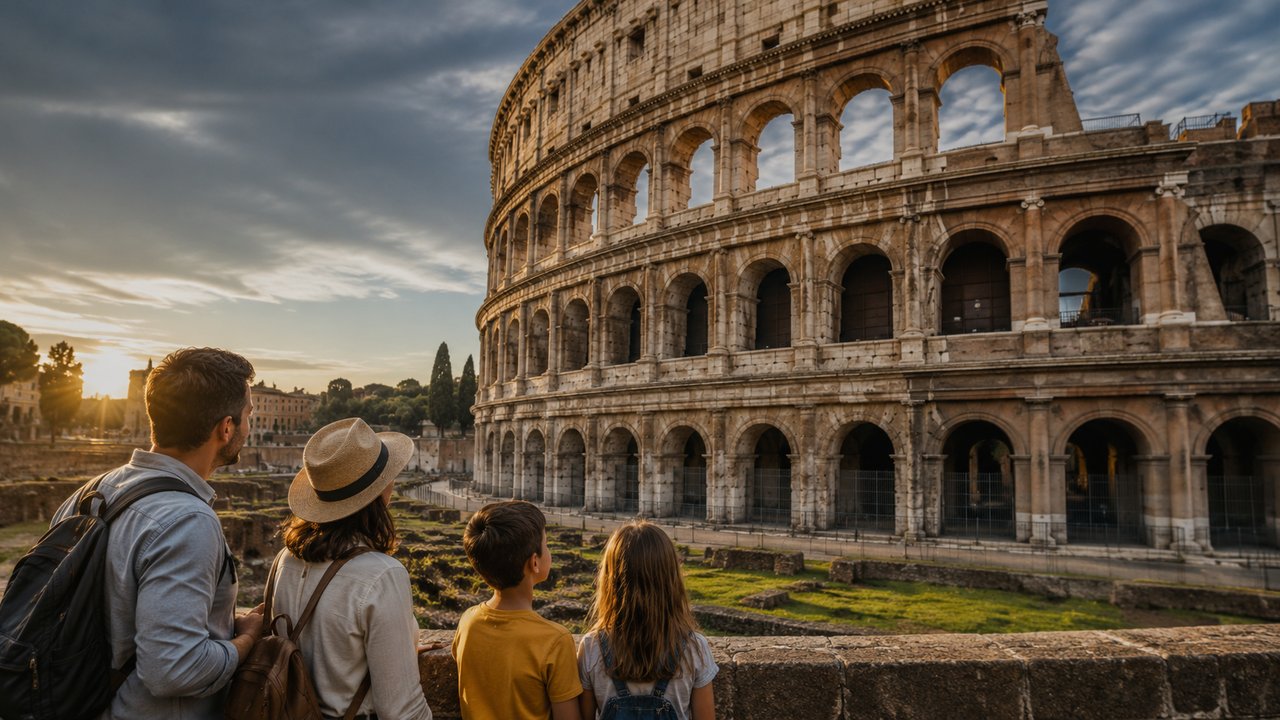
Rome Asks Children to Imagine
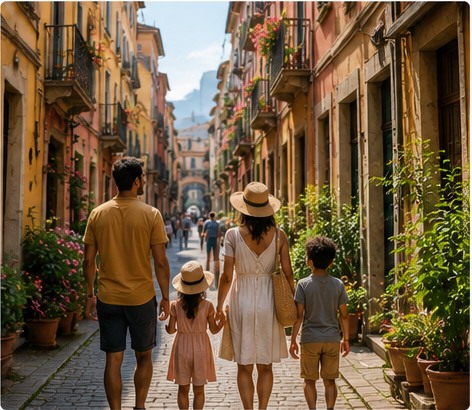
Ancient Rome isn’t neatly contained inside a museum. It’s everywhere.
A modern street suddenly passes an ancient column. A ruin appears between buildings. A church sits on foundations that are far older than the church itself.
The city is layered. That makes Rome an extraordinary place to introduce children to one powerful idea: cities change, but pieces of the past survive.
Start With Scale
Before explaining emperors, republics or centuries of Roman politics, look at the buildings.
How did people build something this enormous without modern cranes? How many people could fit inside? How long would it take? Where did all that stone come from?
Scale is something children can understand immediately.
At the Colosseum, Tell Human Stories
Yes, explain what the Colosseum was. But then zoom in.
Imagine being one person walking into it. Where would you sit? What would you hear? How crowded would it be? What would happen underneath the arena floor? How would tens of thousands of people enter and leave?
Ancient engineering can be just as fascinating as gladiators.
At the Forum, Rebuild the City With Imagination
Ruins can be difficult for children because they require reconstruction in your mind.
Help them. That broken row of columns wasn’t always broken. That empty space may have been packed with people. That stone foundation once supported walls, doors, roofs and decoration.
Ask children to choose one ruin and imagine what it looked like when it was new.
Look for Ancient Rome Hiding in Modern Rome
Make this a challenge throughout the trip. Find ancient columns reused in later buildings, Roman numerals, fountains, statues, Latin inscriptions, old roads, arches, domes, and symbols of emperors or the Roman state.
Rome becomes one enormous archaeological scavenger hunt.
Leave Room for Gelato
Seriously.
Historical engagement has limits. Rome is also fountains, piazzas, food, people-watching and wandering.
Let the ancient city and modern family vacation coexist. Your children don’t need to spend every moment learning something for the trip to be educational. Often the learning happens because they’re enjoying themselves enough to stay curious.
Return to Adventure Quest Journal: Issue No. 2 — History Comes Alive