 FreeWill Labs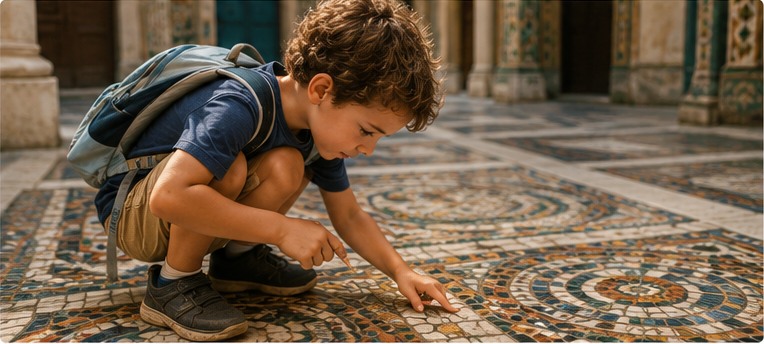
The Goal Is Not to See the Whole Museum
This may be the single most useful rule for visiting museums with kids.
You do not have to see everything. In fact, trying to see everything can be the fastest way to make everyone miserable.
Large museums were not designed to be consumed in one sitting. Choose less. Experience more.
Give Kids Permission to Have Favorites
Ask everyone to find the weirdest thing, the oldest thing, something they would put in their bedroom, something they definitely would not put in their bedroom, the person in a painting they’d most like to meet, an object whose purpose they can’t figure out, or the piece they would save if they could save only one.
There are no wrong answers. And suddenly everyone is looking.
Turn Art Into a Mystery
Before reading the museum label, examine the object.
What do you think is happening? Who are these people? What happened five minutes before this scene? What happens five minutes afterward? What is the person looking at? Why did the artist include that object in the corner?
Then read the description and see what you got right.
Let Children Lead Sometimes
Give each child ten minutes where they choose where everyone goes. Adults follow.
This can feel mildly terrifying in an enormous museum. That’s part of the fun.
Kids who have some control over the experience are more likely to engage with it.
Use Your Phone as a Tool for Observation
Instead of demanding that phones disappear, give them a job.
- Photograph three details you think everyone else missed.
- Find something painted more than 100 years ago that looks surprisingly modern.
- Take a picture of your favorite color combination.
- Find an animal hidden in a work of art.
Technology isn’t competing with the museum anymore. It’s encouraging the child to examine it.
Know When You’re Done
Sometimes the best museum visit lasts 90 minutes. Maybe even 45.
Leaving while everyone still likes the museum is better than squeezing another two galleries out of exhausted children.
Even if you never come back, one extraordinary painting remembered for years is worth more than 300 paintings everyone rushed past.
Curiosity Works Better Than a Checklist
During our own family travels, museum and landmark experiences worked best when there was something specific to investigate.
The moment wasn’t about completing an educational checklist. It was about curiosity: look closer, find something, figure something out.
That’s a much more natural way for children to experience culture—and the same philosophy behind Adventure Quest.
Return to Adventure Quest Journal: Issue No. 2 — History Comes Alive