 FreeWill Labs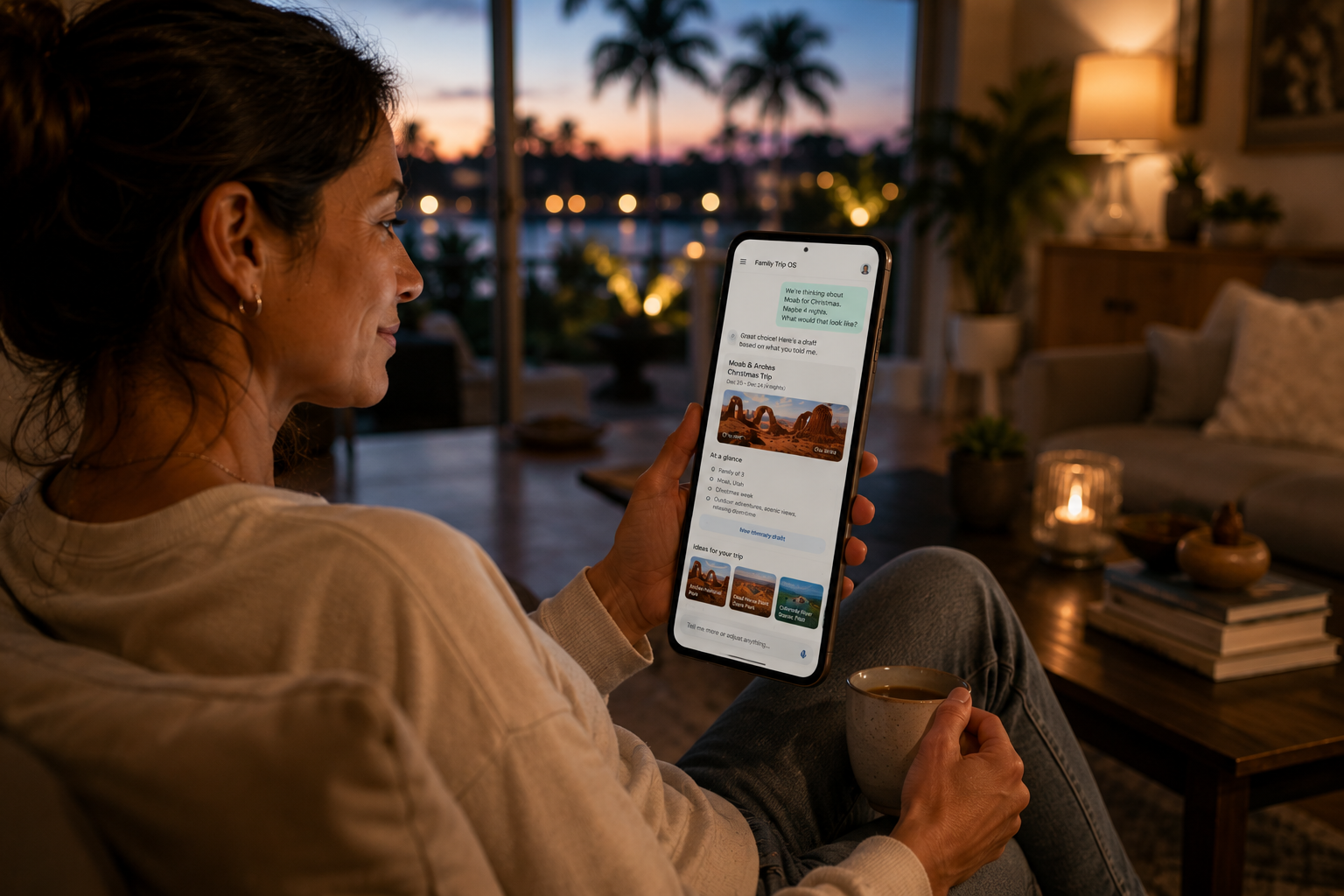
I've been thinking about three trips lately.
One is close enough that I'm starting to think about what we'd actually do: a family trip to the Florida Keys.
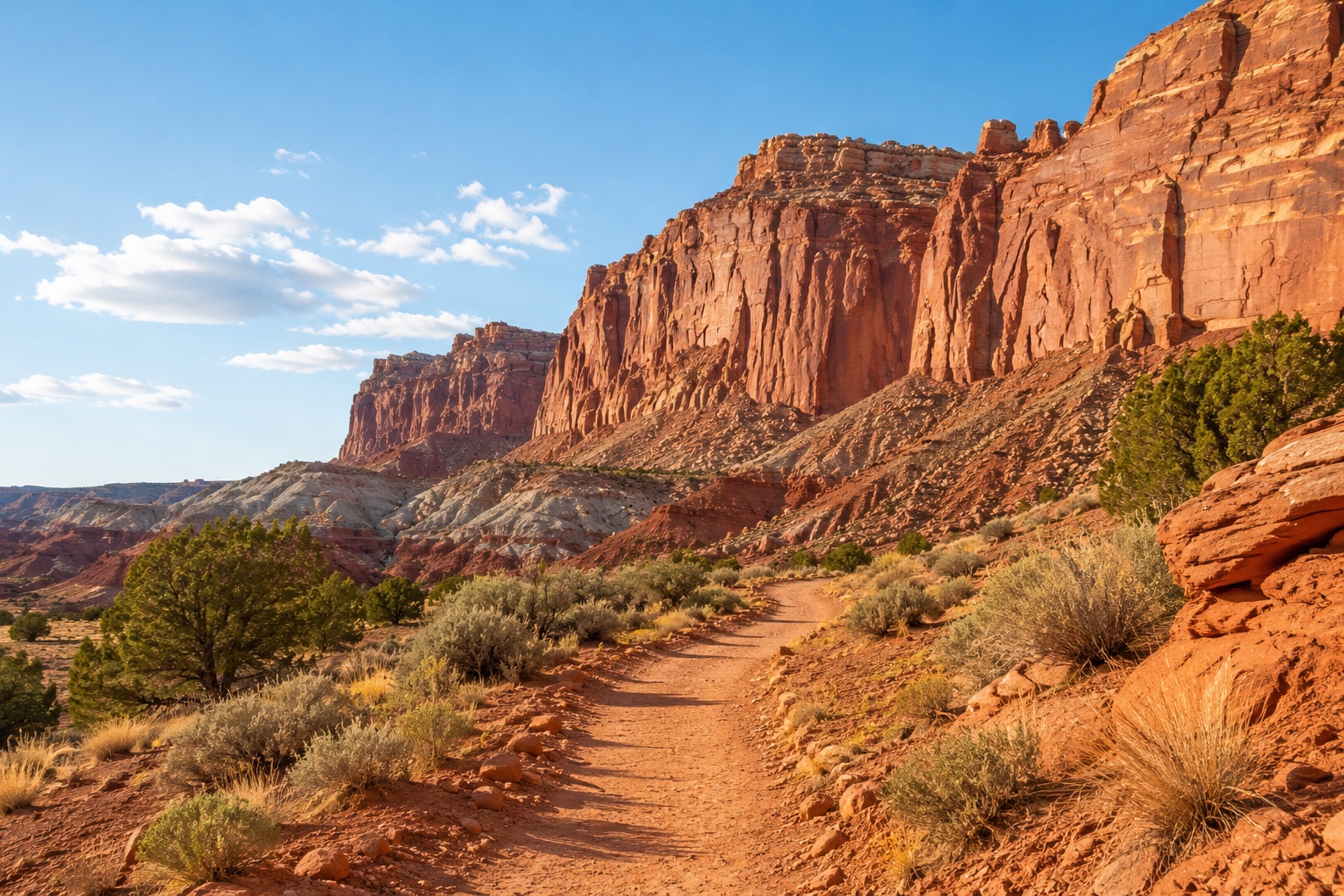
Another is taking shape further out: spending part of Christmas around Moab and Arches National Park.
And then there's the Panama Canal cruise I keep dreaming about.
They're all trips.
But they're not really *plans* in the same way.
And I've realized that's how most of my family travel starts.
Some trips begin as a feeling
The Panama Canal is still mostly this for me.
I can picture being on the ship, going through the locks, watching the landscape change and turning the transit itself into part of the experience.
I don't need to know what we're doing at 10:00 AM on Day 6.
I'm not ready for that.
Right now, I mostly need to remember:
I want us to do this someday.
There's value in letting a trip live there for a while without immediately turning it into a spreadsheet.
Then an idea starts becoming real
The Florida Keys are different.
That's close enough to home that dreaming quickly becomes practical.
Where should we go?
How much do we actually want to schedule?
What would make the trip feel different from a normal South Florida weekend?
How much time do we want on the water?
What will everyone genuinely enjoy?
At this stage, I'm not trying to build a perfect itinerary. I'm looking for the shape of the trip.
Usually a few anchors start appearing.
Once those feel right, the rest gets easier.
And eventually the trip has constraints
Christmas around Moab and Arches is already a different planning problem.
Winter matters.
Daylight matters.
Weather matters.
Holiday schedules matter.
Some things may need reservations. Other plans may need to remain flexible because December in the desert doesn't care what I put on an itinerary.
Now I'm thinking less about *Could this be fun?* and more about *How would we actually make this work?*
The idea is slowly becoming a trip.
I don't plan every hour
One thing I've learned from traveling with my family is that we generally do better with one or two anchors in a day.
Maybe it's a major sight.
Maybe it's an outdoor activity.
Maybe it's a meal we're excited about.
The rest of the day gets to breathe.
That leaves room for shopping, resting, changing our minds, finding something we didn't know existed or simply deciding we're tired.
Some of our best travel moments weren't on the itinerary.
The planning process isn't linear
I used to think of trip planning as something like:
Choose destination → book transportation → book hotel → create itinerary → go.
That's not really how I do it.
It's more like:
Dream → save something → research → forget about it → come back → add an idea → talk to the family → change direction → book one thing → get excited → figure out the rest.
And multiple trips can be sitting at different points in that process at the same time.
Right now, the Florida Keys, Moab and the Panama Canal are three different versions of *future travel* in my head.
One is getting close.
One is taking shape.
One is still a dream.
That's influencing what I'm building
The more I travel and plan for my own family, the more I realize that travel tools tend to become useful after you've already decided what the trip is.
But families have a travel life before that.
We have places we're dreaming about, trips we're slowly assembling, reservations we've already made, ideas we're not ready to commit to and memories from trips we've already taken.
That's increasingly influencing how I think about Family Trip OS.
I don't want planning a family trip to feel like filling out a database. I want to be able to start naturally — even from my phone — by saying something as simple as:
"We're thinking about Moab for Christmas."
Then AI can help turn that conversation into something organized without forcing me to pretend I know every detail already.
Sometimes the most useful thing a travel tool can understand is simply:
"We're thinking about doing this."
The details can come later.